
About
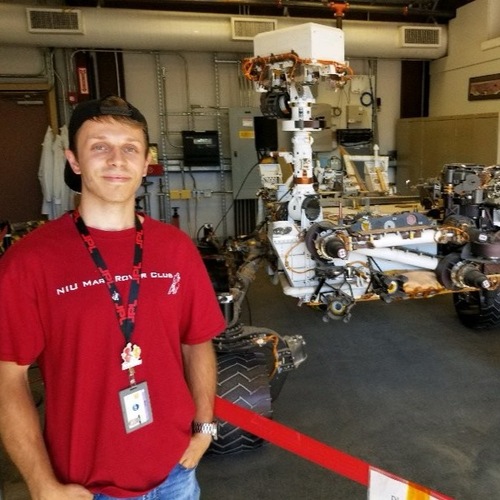
I earned a Ph.D. in Mechanical Engineering at the University of California, Merced, where my research focuses on Explainable Artificial Intelligence (XAI) empowered sensors and smart sensing. My work bridges advanced AI with real-world applications in both human health and planetary health—ranging from explainable cardiovascular disease prediction and prevention to satellite- and drone-based Earth remote sensing. In addition to my academic research, I worked as a Mechanical Engineer subcontractor at NASA’s Jet Propulsion Laboratory. There, I designed, analyzed, simulated, and built next-generation instruments that support planetary science missions on Earth and beyond. My academic journey began with a Bachelor’s degree in Mechanical Engineering, specializing in Mechatronics and Robotics, at Northern Illinois University—where I served as Vice President of the Mars Rover Team and was inducted into the Honors Society. I continued on to earn my Master of Science in Mechanical Engineering with a focus on Dynamical Systems and Control before pursuing my Ph.D. in Mechanical Engineering focused on smart health monitoring using XAI. I am passionate about developing intelligent sensing systems and digital twins that solve complex, real-world problems impacting both people and the planet.
- CAE Software: Solidworks, NASTRAN, ANSYS, COMSOL
- Languages: Python, MATLAB, C, C++, Bash
- Databases: MongoDB
- Libraries: NumPy, CuPy, Pandas, OpenCV
- Frameworks: Flask, Django, Keras, TensorFlow, PyTorch, ROS/ROS2
Pursuing a challenging position that integrates mechanical engineering, controls, embedded systems, and AI, with strong opportunities for professional growth.
Experience

- Performed FEA thermal and structural analysis on a flight instrument destined for the ISS to verify performance and survivability under launch conditions.
- Designed, built, and operated a tunable laser spectrometer to quantify total water concentration in lunar regolith for NASA’s Artemis program.
- Built a digital twin (Level-II) of a miniature tunable laser spectrometer for ISS water quality monitoring and validated it in an environmental chamber.
- Improved 3D mechanical designs and simulation workflows for instruments mounted on UAVs for planetary science missions.
- Designed and tested power distribution circuitry for gas sensors mounted on drones.
- Integrated methane gas sensors with robotic platforms using ROS.
- Collaborated with Chevron to enhance and field-test a robotic H₂S sensor with wireless telemetry.
- Worked with NASA AFRC on mechanical substantiation of a next-gen fire detection instrument.
- Performed thermal analysis of airborne radar systems for planetary Earth science missions.
Projects
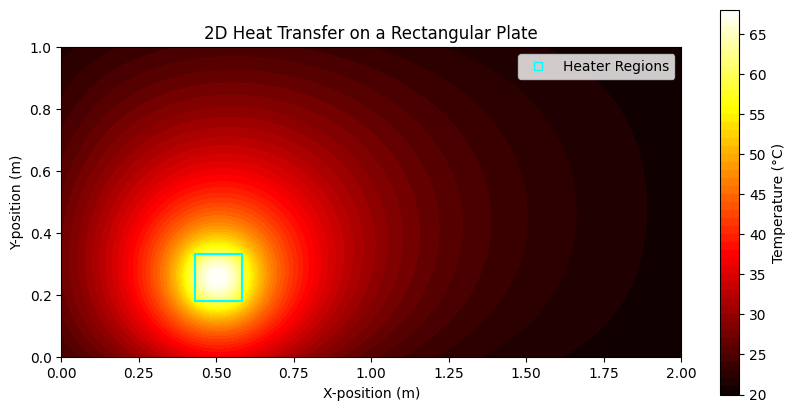
A physics-informed neural network that simulates steady-state heat transfer across a PCB board with localized power sources.
- Tools: TensorFlow, NumPy, Matplotlib, Python
- Implements a 2D physics-informed neural network constrained by the heat equation ∇²T + Q = 0.
- Models real-world boundary conditions for power-dissipating electronic components and fixed ambient edges.
- Trained with automatic differentiation to satisfy the PDE residuals and boundary conditions.
- Produces visual heatmaps and temperature profiles across the PCB domain.
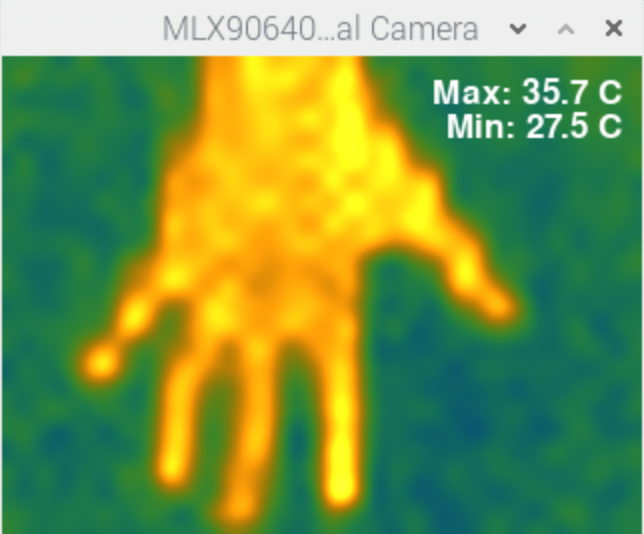
A Raspberry Pi-powered thermal imaging system that visualizes real-time heat distribution across surfaces using an infrared sensor and touchscreen interface.
- Tools: Raspberry Pi 4B, Adafruit MLX90640, Python, OpenCV, NumPy
- Real-time thermal imaging system using a 32×24 infrared sensor with a 55° field of view.
- Displays temperature heatmaps on a 7" capacitive touchscreen with optional user interaction.
- Captures and visualizes temperature distributions for electronics, surfaces, and environments.
- Optimized for portable benchtop use with touchscreen controls and live interpolation.
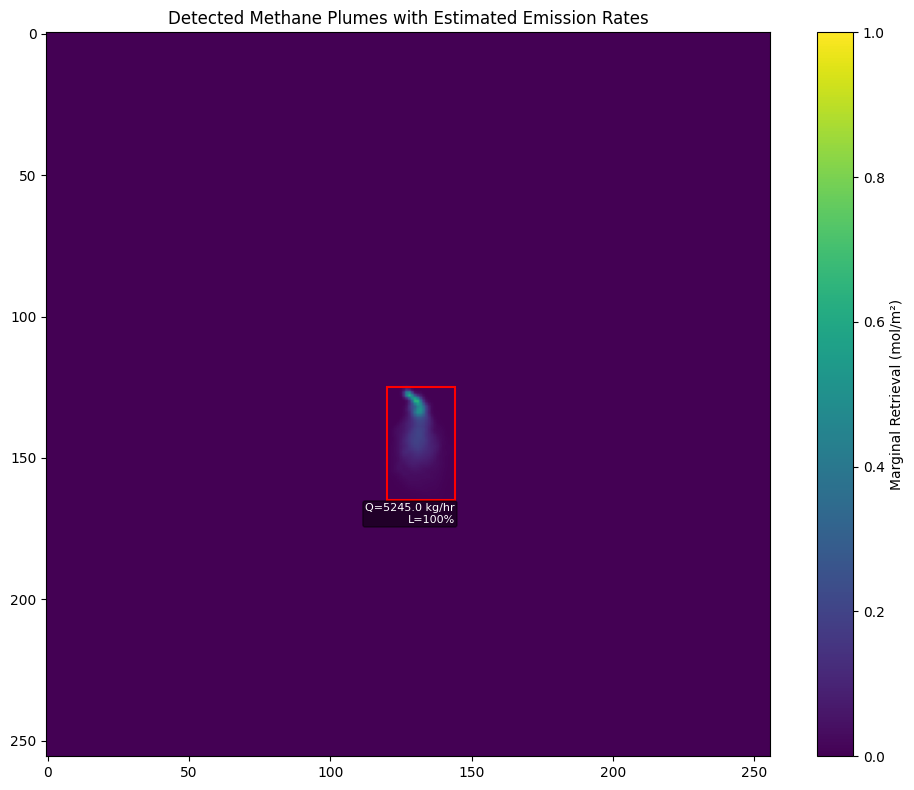
Detecting and quantifying methane super-emitter plumes from Sentinel-2 satellite imagery using deep learning.
- Tools: Python, PyTorch, Rasterio, NumPy, Matplotlib
- Utilizes Sentinel-2 L2A satellite data, specifically SWIR bands (B11 & B12) sensitive to methane absorption.
- Applies a deep learning model to segment and quantify high-concentration methane plumes from point sources.
- Addition of embedding synthetic methane plumes using gaussian plume model with Ornstein–Uhlenbeck process.
- Implements Grad-CAM for model interpretability, visualizing the spatial features driving the detection.
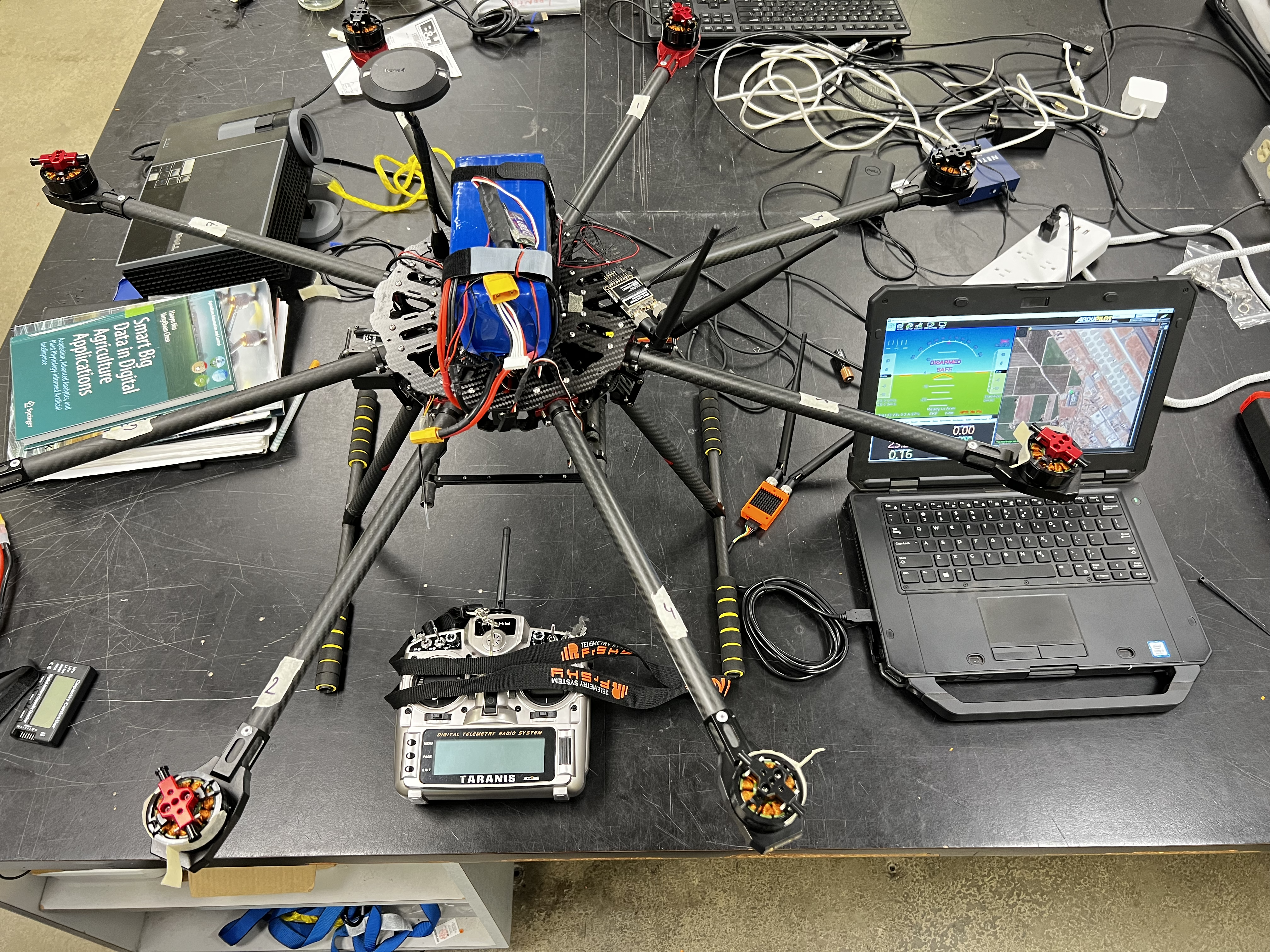
An octorotor drone custom-built for high-resolution multispectral imaging to monitor environmental and agricultural health.
- Tools: Pixhawk Orange Cube+, Mission Planner, MapIR Cameras, Python
- Features an 8-rotor (octorotor) configuration for heavy lift capacity and flight redundancy.
- Powered by a Pixhawk Orange Cube+ flight controller for robust autonomous navigation.
- Equipped with MapIR multispectral cameras to capture data for planetary health and vegetation indices (e.g., NDVI).
- Utilizes Mission Planner for flight planning, real-time telemetry, and data logging.
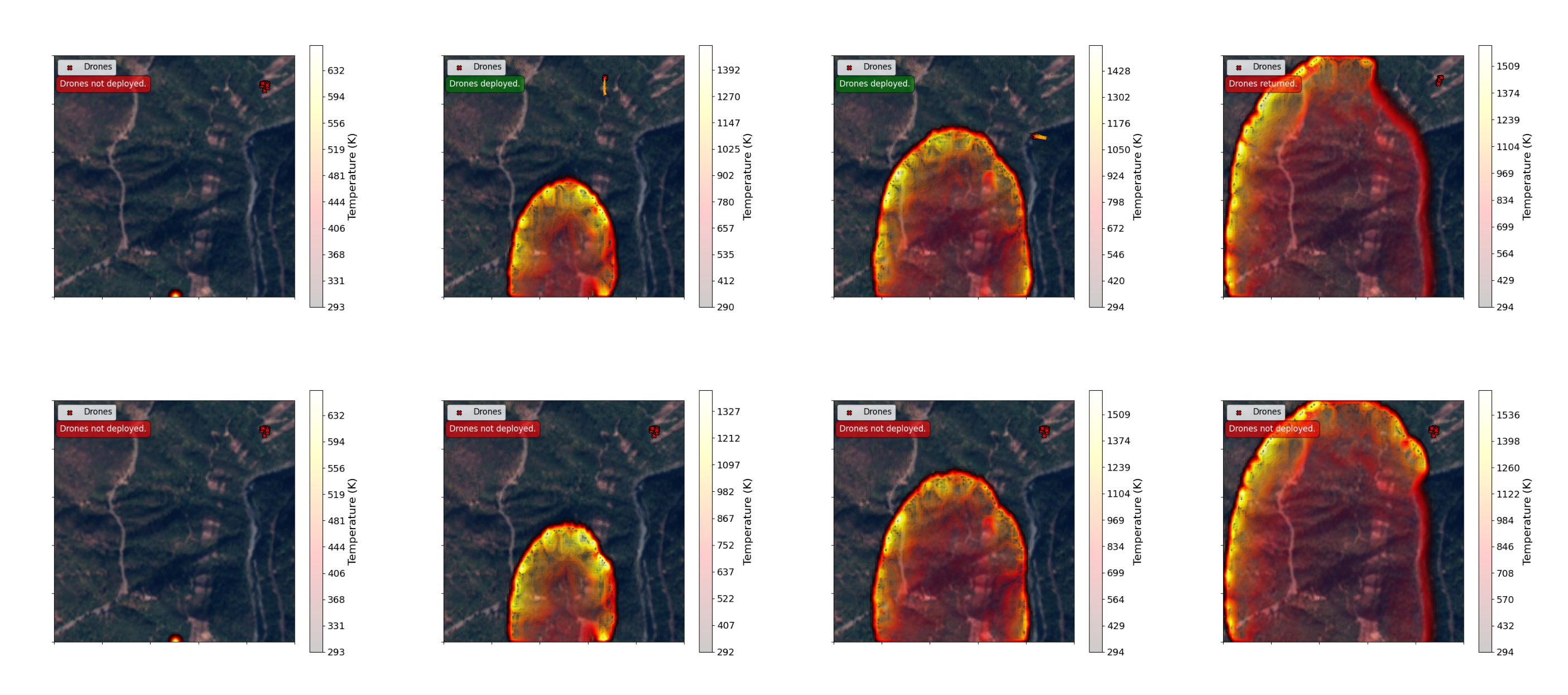
A digital twin framework for modeling and controlling prescribed fires using UAVs as integrated sensors and actuators.
- Tools: Python, Physics-Based Modeling, UAV Control Systems, Multispectral & Thermal Sensors
- Proposes a hybrid digital twin framework for real-time fire behavior prediction.
- Integrates physics-based fire propagation models with simulated UAV sensor data (thermal & multispectral).
- Utilizes UAVs as both sensors (for data collection) and actuators (for control) in a closed loop.
- Aims to improve the safety, precision, and effectiveness of prescribed fire management.
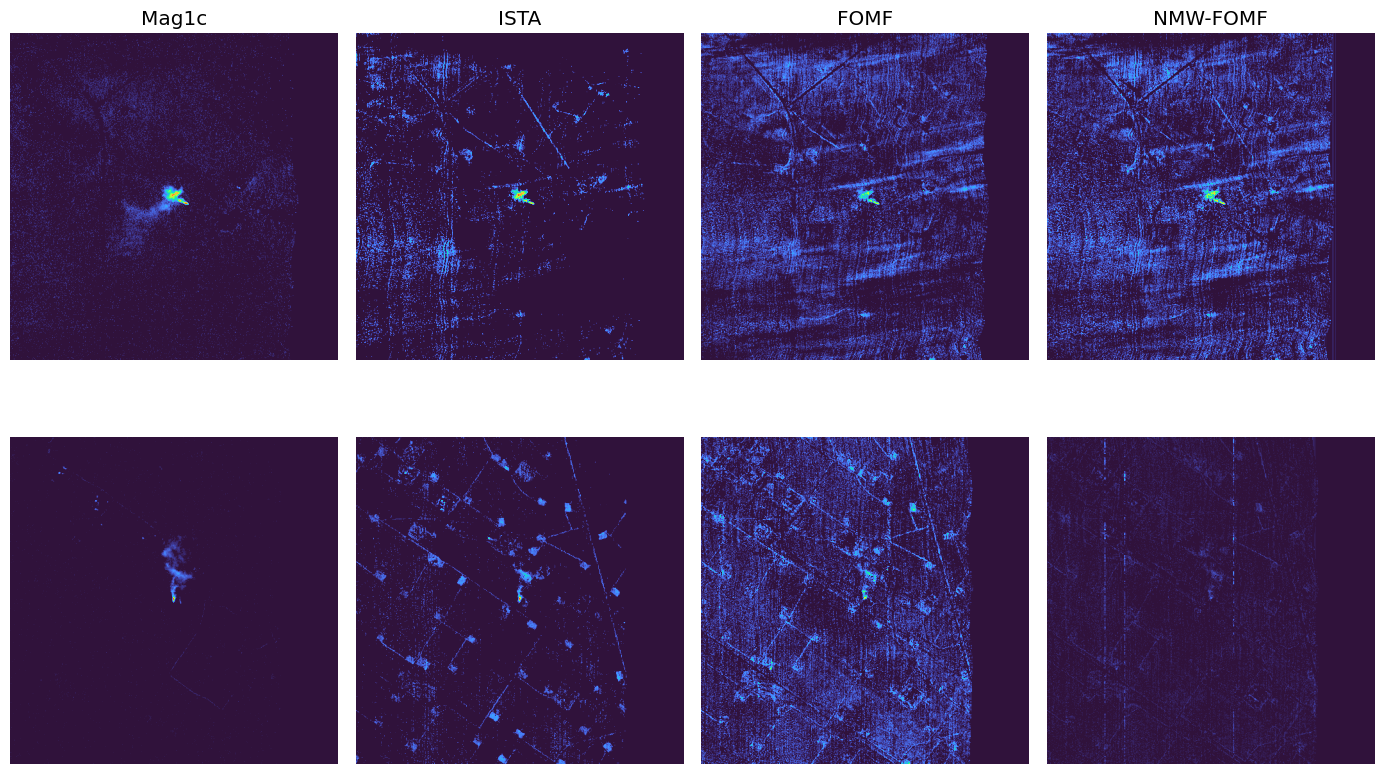
A novel signal processing algorithm using fractional calculus to detect methane plumes in noisy hyperspectral satellite data (AVIRIS-ng).
- Tools: Python, Fractional Calculus, AVIRIS-ng, NumPy
- Proposes a Fractional-Order Matched Filter (FOMF) to overcome the limitations of standard filters.
- Designed to handle the heavy-tailed, non-Gaussian noise common in real-world hyperspectral data.
- Successfully identified methane plumes from AVIRIS-ng imagery where traditional integer-order filters failed.
- Achieved a superior ROC Area Under the Curve (AUC) of 0.72, validating its improved sensitivity and accuracy.
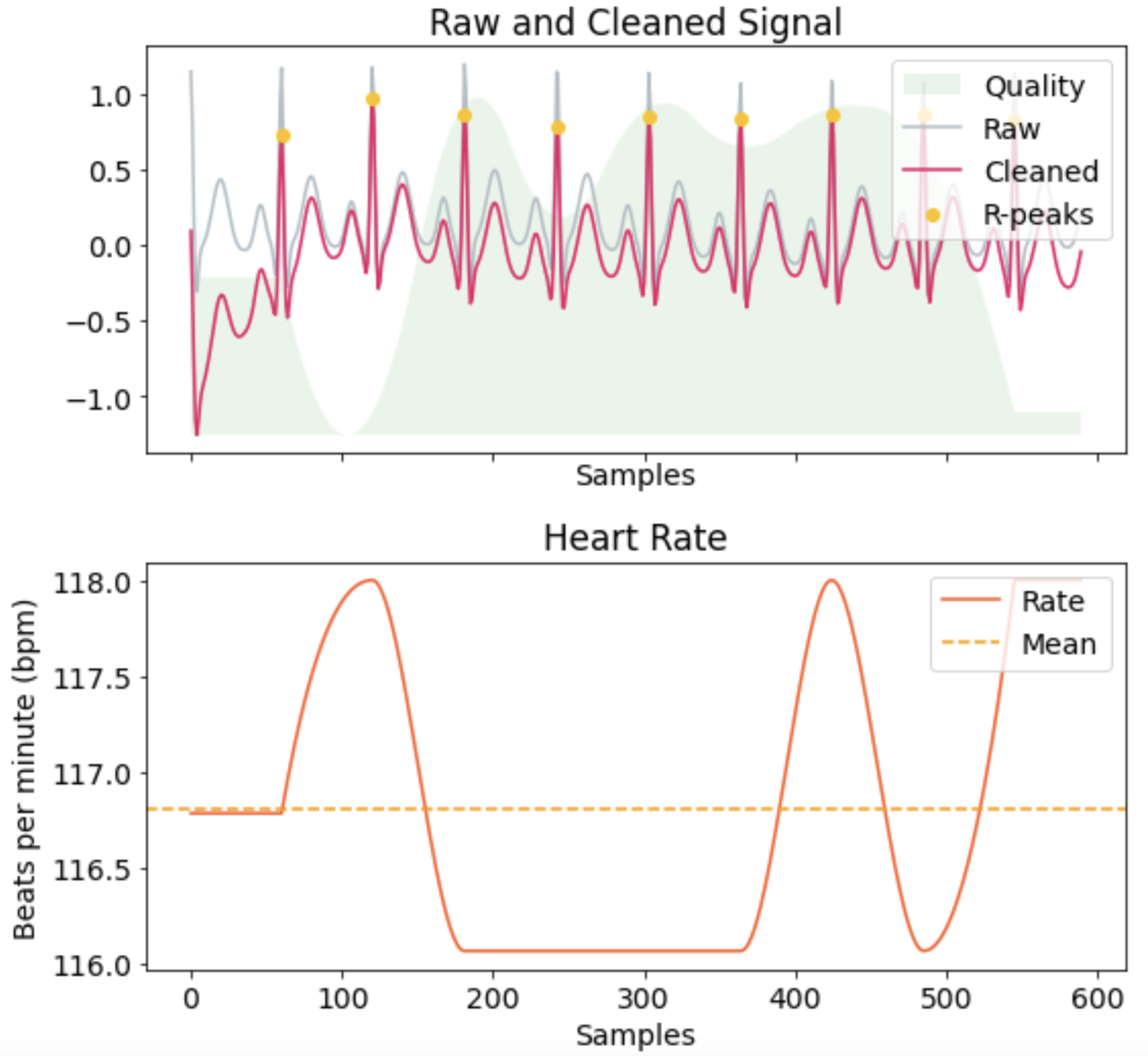
An explainable digital-twin framework that analyzes ECG data to predict cardiovascular status using machine learning.
- Tools: Python, NeuroKit2, Heartpy, Scikit-learn, SHAP
- Presents an explainable digital twin (XAI) framework for cardiovascular health monitoring.
- Extracts key features (e.g., heart rate variability) from ECG signals using NeuroKit2 and Heartpy.
- Employs machine learning to predict cardiovascular status, achieving 90.08% accuracy.
- Uses SHAP (Shapley Additive Explanations) to provide transparent insights into the model's predictions.
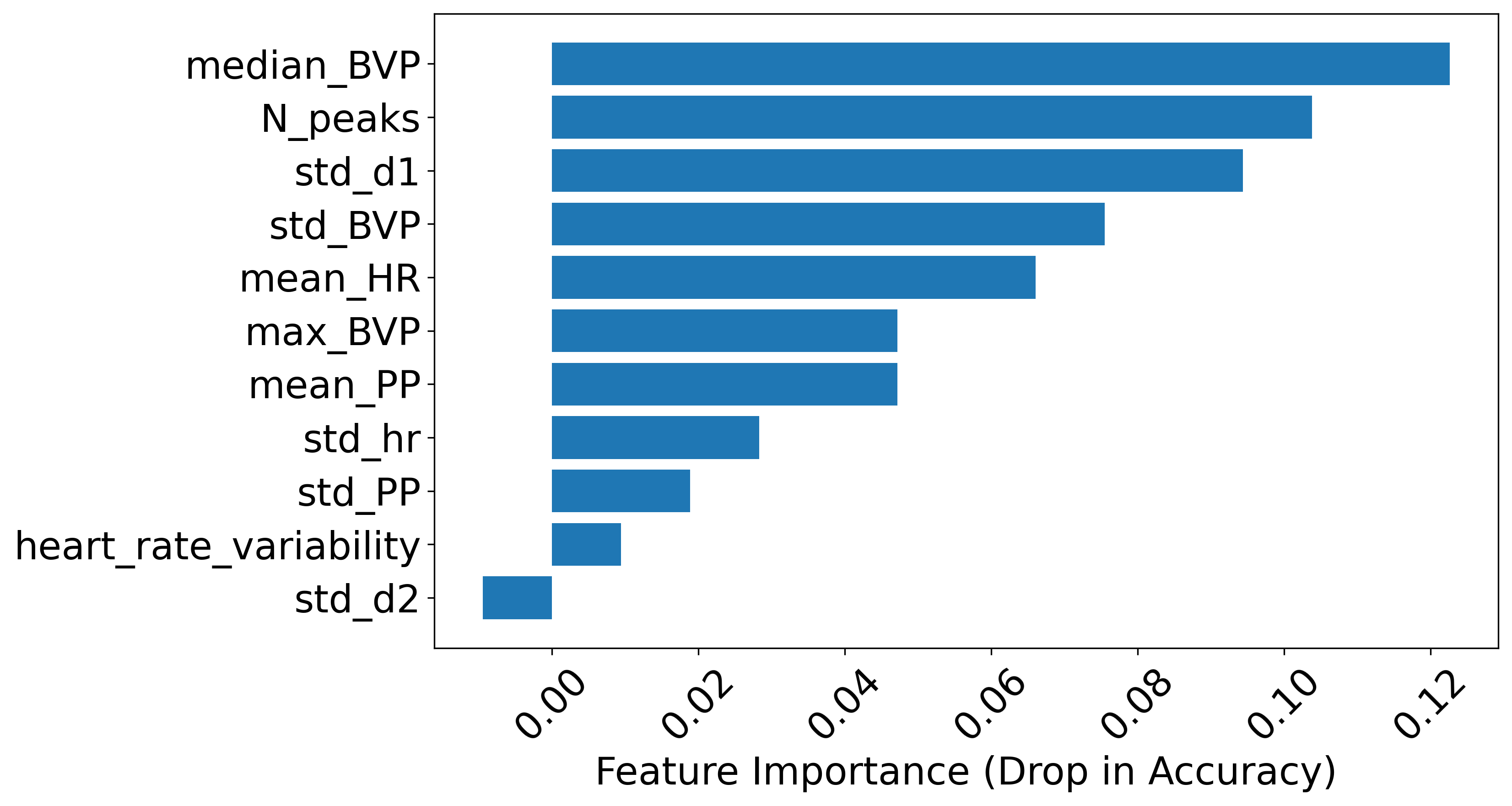
A PhD research framework using Explainable AI (XAI) and IoT to interpret physiological data from edge devices.
- Tools: Python, TensorFlow Deep Neural Networks (DNN), XAI (SHAP), Edge Devices, IoT
- Developed a XAIoT (Explainable AI + IoT) framework for health monitoring.
- Applies DNNs on edge devices for portable, real-time analysis of physiological data (e.g., ECG, HRV).
- Uses XAI to provide transparent, interpretable insights into model predictions for patients and clinicians.
- This research includes the 'XCardio-Twin' digital twin framework for cardiovascular health.
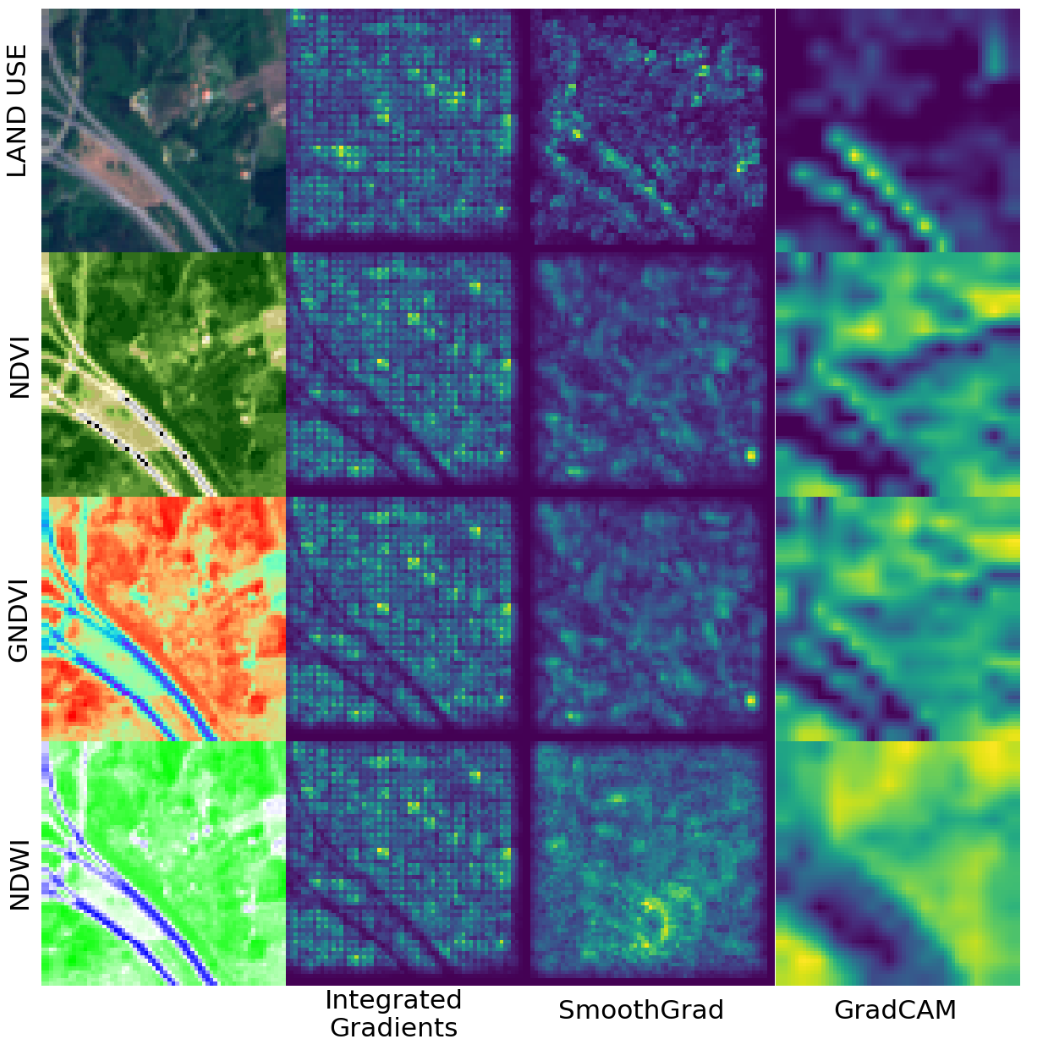
An XAI framework using Fractional-Order SGD and multi-task learning to monitor planetary health from EuroSAT imagery.
- Tools: Python, TensorFlow, Quantus, XAI (GradCAM, SmoothGrad)
- Implements a novel Fractional-Order Stochastic Gradient Descent (FOSGD) optimizer, achieving 96% accuracy.
- Uses multi-task learning on EuroSAT data to classify land use and map environmental indices (NDVI, NDWI).
- Applies XAI techniques (GradCAM, SmoothGrad) to provide interpretable insights into the model's decisions.
- Evaluates the reliability of the XAI methods using the Quantus framework.
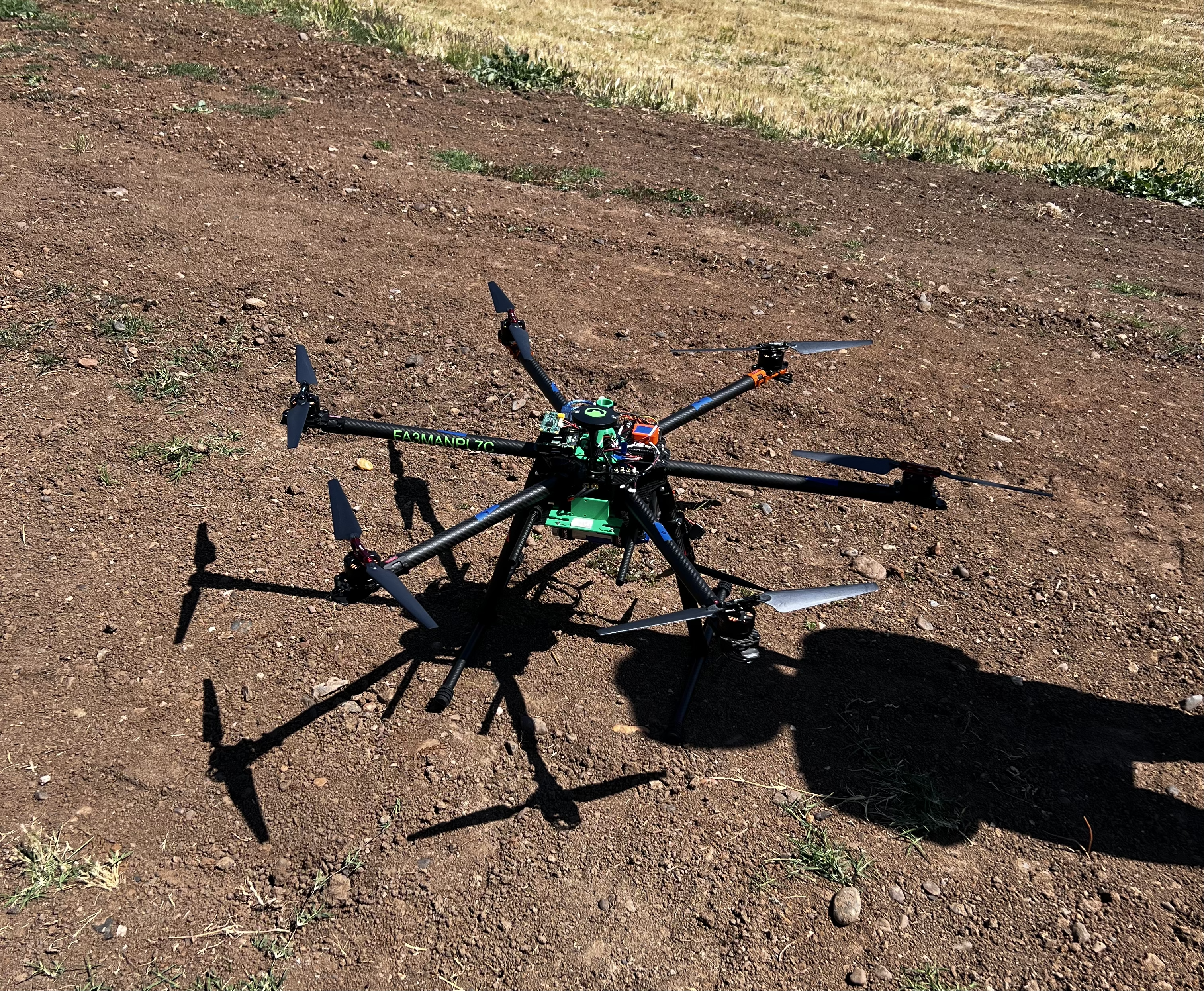
A UAV platform using a digital twin and observability Gramian to optimally sense and estimate methane emission sources.
- Tools: sUAS, Python, Gaussian Plume Model, Tikhonov Regularization
- Develops a low-cost sUAS for mobile methane sensing and source estimation.
- Uses a Gaussian plume model as a digital twin for real-time simulation of methane dispersion.
- Implements an optimal sensing path based on the observability Gramian to maximize estimation accuracy.
- Estimates emission source location and strength using a Source Receptor Matrix (SRM) method.
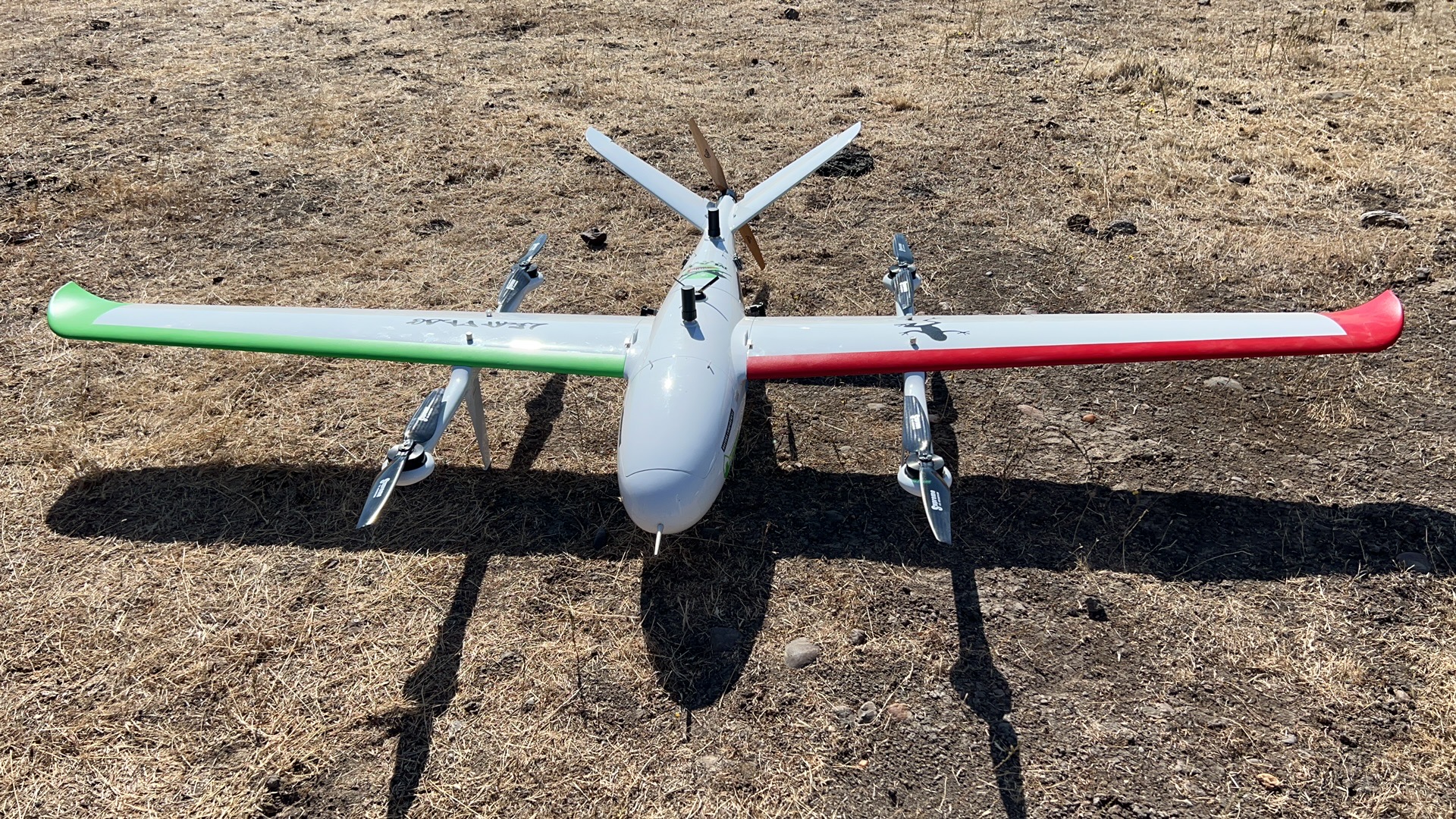
A cognitive digital twin that monitors battery health (SOC, RUL) to ensure safe landings for long-endurance VTOL drones.
- Tools: Digital Twin, Python, VTOL sUAS, Coulomb Counting
- Develops a Cognitive Battery Monitoring System (CBMS) for a hybrid VTOL fixed-wing sUAS.
- Employs a Digital Twin model to behavior-match battery discharge curves.
- Estimates battery State of Charge (SOC) and Remaining Useful Life (RUL) in real-time.
- Provides early warning recommendations for safe landings on long-endurance missions.
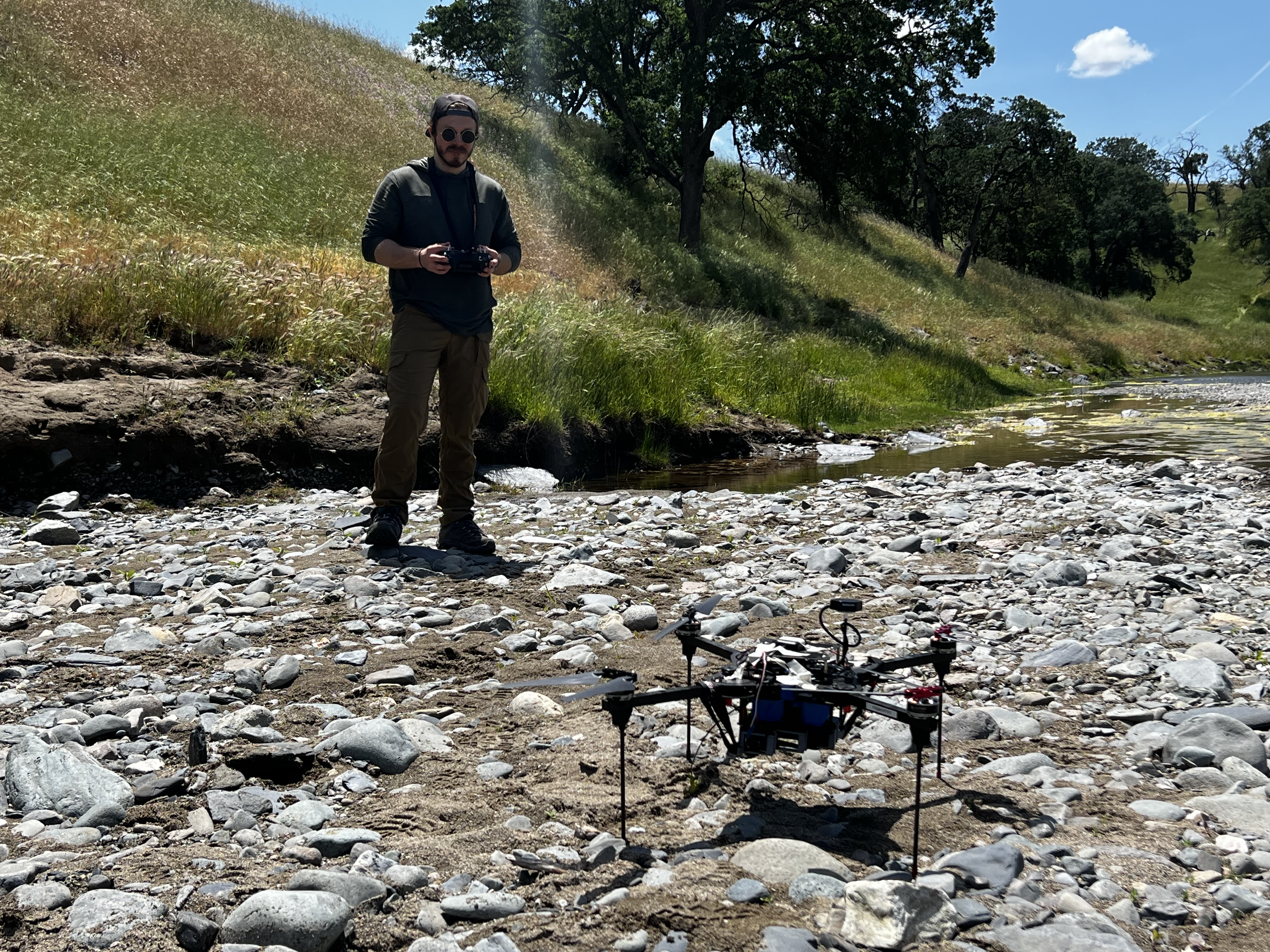
A UAV-based archaeological survey mission using multispectral imaging to uncover and map historical features.
- Tools: Octorotor UAV, Mission Planner, Multispectral Cameras, Agisoft Metashape, Python
- Conducted autonomous, grid-based flight patterns over an archaeological site to ensure complete data capture.
- Utilized multispectral sensors to detect subtle variations in vegetation health and soil composition.
- Processed imagery into orthomosaics and vegetation indices (like NDVI) to reveal subsurface structures and buried features invisible to the naked eye.
- Provided high-resolution, non-invasive data to archaeologists for site mapping and analysis.
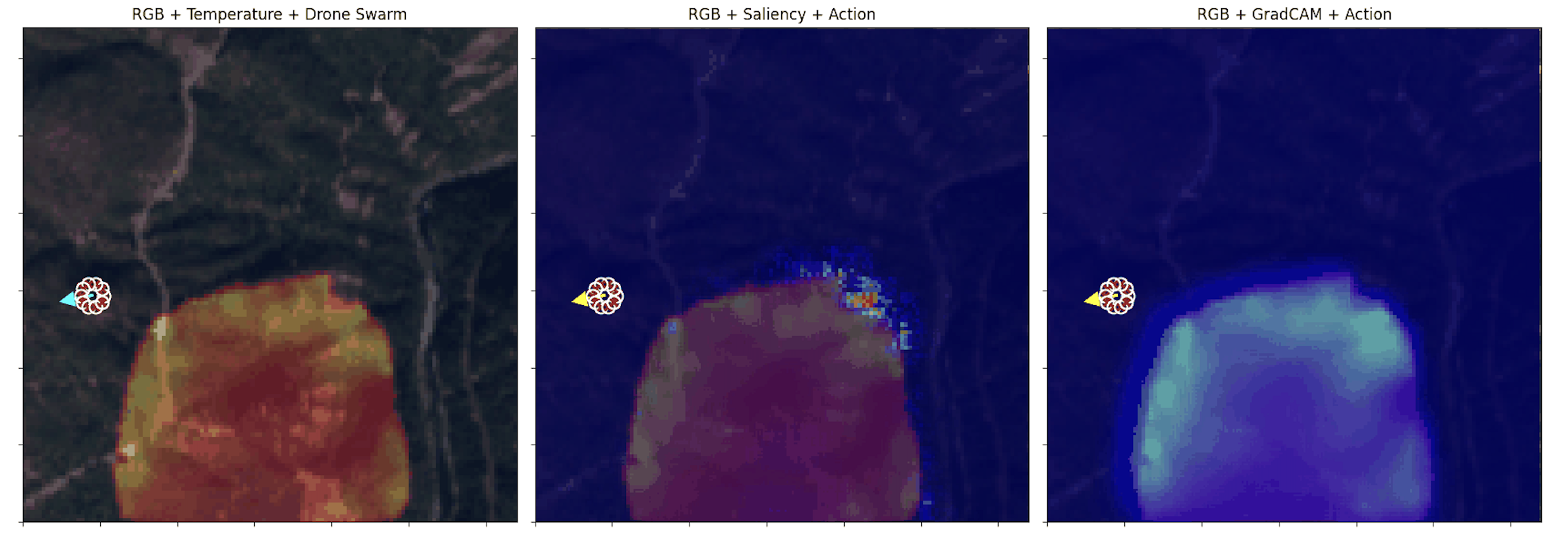
A digital twin environment training an Explainable Deep Reinforcement Learning (DRL) agent to coordinate drone swarms for wildfire suppression.
- Tools: Python, TensorFlow, Grad-CAM, Reinforcement Learning
- Built a high-fidelity digital twin to simulate wildfire spread and suppression dynamics.
- Trains a DRL agent to autonomously control drone swarms using RGB and temperature inputs.
- Integrates XAI (Saliency & Grad-CAM) to visualize the agent's decision-making logic.
- Demonstrates the agent's ability to identify and prioritize active fire fronts for containment.
Publications
Google Scholar ORCID- R. Krzysiak, “Smart Health Monitoring Using Explainable AI - From Human Physiology to Earth Remote Sensing", Ph.D. Thesis, University of California, Merced, 2025.
- R. Krzysiak and C. Yu, “Tiered IoT Device Strategy for Supraventricular Tachycardia Detection with Explainable AI and Patient Engagement,” Abstract, AIMed 2025.
- S. Giri, D. Hollenbeck, R. Krzysiak and Y. Chen, “PHANTOM: Physics-informed Hyperspectral Adversarial Network for Transformer-Optimized Methane Detection”, Submitted, American Control Conference (ACC 2026).
- R. Krzysiak, J. Ramirez and Y. Chen, “TTL: An Open Source DIY Thermo Twin Lab for Smart Thermal Process Condition Monitoring by Physics-Informed Machine Learning”, International Conference on Mechanical and Electrical Engineering (ICMEE 2025).
- R. Krzysiak, S. Giri and Y. Chen, “Optimal Methane Plume Extraction of Hyperspectral Imagery Using Fractional Order Matched Filter,” IFAC Conference on Fractional Differentiation and its Applications (ICFDA 2025).
- F. Winiberg, M. Fradet, K. Schwarm, I. Sanders, M. Bryk, V. Cretu, R. Krzysiak, K. Mansour, N. Tallarida, J. Wallace, P. Dodd, A. Noell, and L. Christensen, “Tunable Laser Spectrometer for the Miniaturized Total Organic Carbon Analyzer”, Acta Astronautica.
- D. Hollenbeck, R. Krzysiak, et al., “Developing An Optimal Mobile Measurement sUAS using Digital Twins and the Observability Gramian”, International Conference on Control, Mechatronics and Automation (ICCMA 2025).
- R. Krzysiak, et al., “Modeling and Control of a Prescribed Fire with UAVs as Sensors and Actuators,” International Conference on Control, Mechatronics and Automation (ICCMA 2025).
- S. Giri, R. Krzysiak, et al., “Aviris-Ng-Like Smart Virtual Remote Sensing via Spectra-Aware Physics Informed Gans”, ASME 2025 International Design Engineering Technical Conferences \& Computers and Information in Engineering Conference (IDETC/CIE 2025).
- R. Krzysiak et al., “Advancing Multi-Task Learning With Fractional Order Sgd and Quantus-Assessed Explainability for Planetary Health Monitoring”, ASME 2025 International Design Engineering Technical Conferences \& Computers and Information in Engineering Conference (IDETC/CIE 2025).
- R. Krzysiak et al., “Explainable Multi-task Learning for Improved Land Use Classification in Planetary Health Monitoring”, IEEE International Conference on Digital Twins and Parallel Intelligence (DTPI 2024).
- F. Winiberg, M. Fradet, R. Krzysiak et al., “Design and Performance of Indium Seals for Size-Constrained Tunable Laser Spectrometers”, Review of Scientific Instruments, 2024.
- R. Krzysiak et al., “Human prior knowledge estimation from movement cues for information-based control of mobile robots during search”, ACM Transactions on Human-Robot Interaction (THRI), 2024.
- R. Krzysiak et al., “Thermally conductive-radiative driven digital twin of miniature tunable laser spectrometer in micro-gravity”, Submitted, Applied Thermal Engineering, 2023.
- D. Hollenbeck, D. An, R. Krzysiak et al., “Towards Cognitive Battery Monitoring on Hybrid VTOL Fixed-Wing sUAS with Maximized Safe Endurance”, International Conference on Control, Mechatronics and Automation (ICCMA 2023).
- D. An, R. Krzysiak et al., “A Proximal Point Sensing System for Mapping Soil Moisture Using A Miniaturized Spectrometer”, International Conference on Control, Mechatronics and Automation (ICCMA 2023).
- R. Krzysiak, et al., “XCardio-Twin: An Explainable Framework to Aid in Monitoring and Analysis of Cardiovascular Status”, IEEE International Conference on Digital Twins and Parallel Intelligence (DTPI 2023).
- D. An, R. Krzysiak, et al., “Long Endurance Site-Specific Management of Biochar Applications Using Unmanned Aircraft Vehicle and Unmanned Ground Vehicle”, IFAC-PapersOnLine, 56.2 (2023): 8908-8913.
- D. An, R. Krzysiak, et al., “Battery-health-aware UAV mission planning using a cognitive battery management system”, IEEE International Conference on Unmanned Aircraft Systems (ICUAS 2023).
- R. Krzysiak et al., “XAI – The future of wearable Internet of Things”, IEEE/ASME MESA, 2022.
- R. Krzysiak, “Human-aware information-theoretic control of robotic swarms", Master's Thesis, Northern Illinois University, 2021.
- R. Krzysiak and S. Butail, “Information based control of robots in search and rescue missions with human prior knowledge”, IEEE Transactions on Human-Machine Systems, 2021.
Skills
CAE Software
 Solidworks
 NASTRAN
 ANSYS
ANSYS
 COMSOL
Languages and Databases
 Python
 MATLAB
 C++
C++
 C
C
 Shell Scripting
Libraries
 NumPy
NumPy
 Pandas
 OpenCV
 scikit-learn
 matplotlib
Frameworks
 Django
 Flask
Flask
 Keras
Keras
 TensorFlow
 PyTorch
Education
University of California, Merced
Merced, USA
Degree: Ph.D. in Mechanical Engineering
GPA: 4.0/4.0
Expected Graduation: December 2025
- Explainable AI for smart sensing
- Remote sensing and planetary science
- Digital twins for health and Earth monitoring
Research Focus:
DeKalb, USA
Degree: Master of Science in Mechanical Engineering
GPA: 4.0/4.0
Degree: Bachelor of Science in Mechanical Engineering
GPA: 3.8/4.0
- Dynamical Systems and Control
- Mechatronics and Robotics
- Swarm robotics and ROS
Focus Areas: